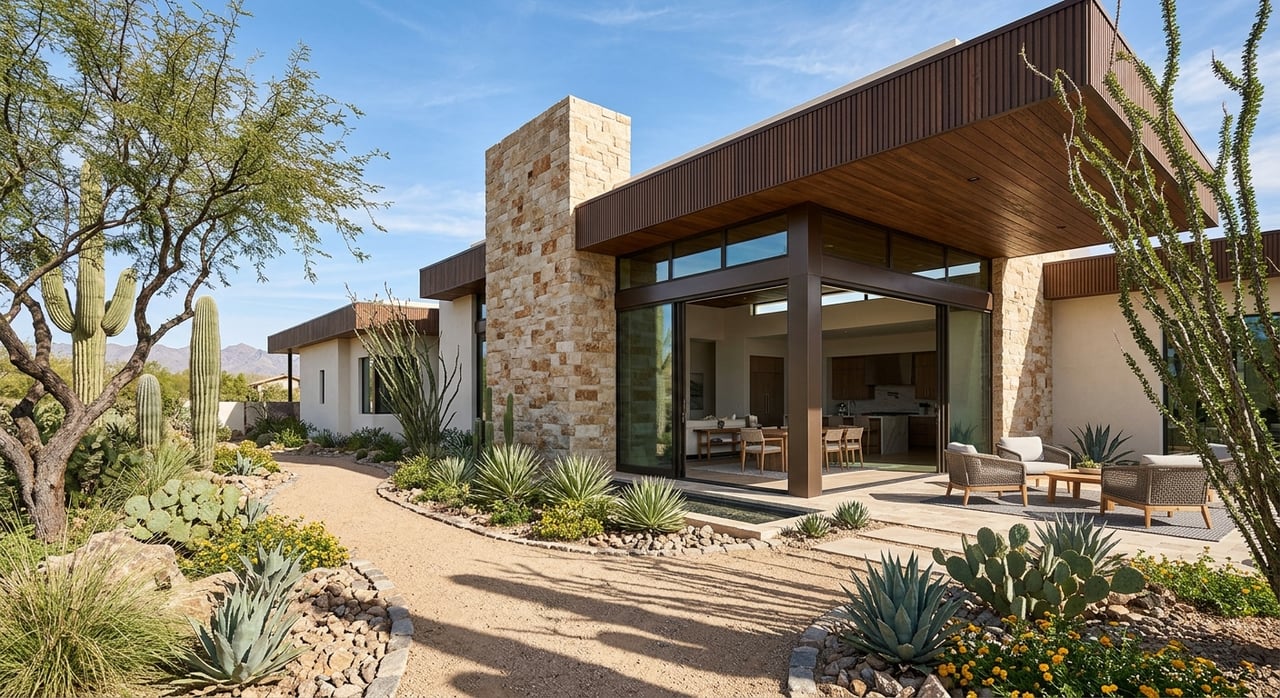
If you want a desert town that feels different from the typical Valley suburb, Cave Creek deserves a closer look. You may be searching for open space, trail access, a more rural setting, or a home with room to breathe and a strong sense of place. This guide will walk you through what daily life, dining, and housing look like in Cave Creek so you can decide whether it fits your goals. Let’s dive in.
Why Cave Creek Stands Out
Cave Creek is a small town in Maricopa County with an estimated 2025 population of 5,160 spread across 37.71 square miles. That works out to about 129.7 people per square mile, which helps explain why the area feels open and less crowded than many nearby communities.
The town’s planning vision puts a clear emphasis on western heritage, open space, scenic views, dark skies, quiet conditions, and low-density residential development. In practical terms, that means Cave Creek is designed to preserve a desert-town feel instead of growing like a denser suburban corridor.
That local character also shows up in the housing mix. Census data shows 94.6% of homes are owner-occupied, with a median owner-occupied home value of $906,100. For many buyers, Cave Creek appeals because it offers privacy, land, and a lifestyle tied closely to the surrounding desert.
Desert Trails Shape Daily Life
In Cave Creek, trails are not just a weekend perk. They are part of how many people experience the town day to day. The local trail network connects neighborhoods and regional recreation areas, and the town states that all trails within Cave Creek are for non-motorized use only.
The trail map connects local routes with the Maricopa Trail, Cave Creek Regional Park, Spur Cross Ranch Conservation Area, and Desert Foothills Land Trust areas. That gives you access to a broad network for hiking, biking, and horseback riding, depending on the route and location.
Cave Creek Regional Park
Cave Creek Regional Park is one of the area’s main outdoor anchors. Maricopa County says the park covers 2,934 acres and ranges from about 2,000 to 3,060 feet in elevation, which creates wide desert views and a noticeably different feel from flatter parts of the Valley.
County information describes the trail system at different totals on different pages, but it consistently presents the park as a shared-use destination for hiking, biking, and horseback riding. You will find both shorter options, like Slate, and longer routes, like Go John, which makes the park useful for quick outings and longer desert adventures.
Spur Cross Ranch Conservation Area
If you want a more rugged desert experience, Spur Cross Ranch Conservation Area adds another layer to Cave Creek living. Maricopa County says it spans 2,154 acres of upper Sonoran Desert with riparian areas along Cave Creek, archaeology sites, wildlife habitat, seasonal wildflowers, and winter creek flow.
The Maricopa Trail page also shows a 10.8-mile connection from Cave Creek Regional Park to Spur Cross. That kind of connectivity supports the idea that outdoor access here is not an afterthought. It is a defining part of the lifestyle.
Dining Has a Strong Local Identity
Cave Creek’s dining scene is closely tied to the town’s western character. The town’s visitor materials describe Cave Creek as a western destination with cowboys, art galleries, golf, hiking, shops, history, and even live bull riding, all within reach of Phoenix.
Rather than a long suburban commercial strip, Cave Creek has a compact, destination-style core. The town’s property-owner notice describes the Historic Town Core and Commercial Core as the backbone of the local tourism economy, and official dining and shopping listings cluster heavily around Cave Creek Road and Frontier Town.
Frontier Town And The Core Corridor
Frontier Town sits in the heart of Cave Creek and presents a western-style main street experience that predates the town’s incorporation. That helps explain why the center of town feels more like a place to explore than a standard convenience-driven retail area.
For you as a buyer, that matters because lifestyle often comes down to everyday rhythms. In Cave Creek, grabbing coffee, meeting friends for dinner, browsing local shops, or spending an evening in the town core can feel more distinct and place-based than it does in many master-planned communities.
What You Can Expect From Local Dining
The town’s dining list includes a wide range of restaurants, bars, cafés, bakeries, and casual spots. Western and saloon-style names include Buffalo Chip Saloon and Steakhouse, Harold’s Cave Creek Corral, Hideaway Grill, Hansen’s Cowboy BBQ, and Wagon Wheel.
You will also find a broader mix that includes places like Le Sans Souci, Tonto Bar & Grill, Z’s House of Thai, and The Grotto Café. The big takeaway is simple: dining in Cave Creek is part of the experience of living there, not just a practical convenience.
Homes In Cave Creek Feel Different
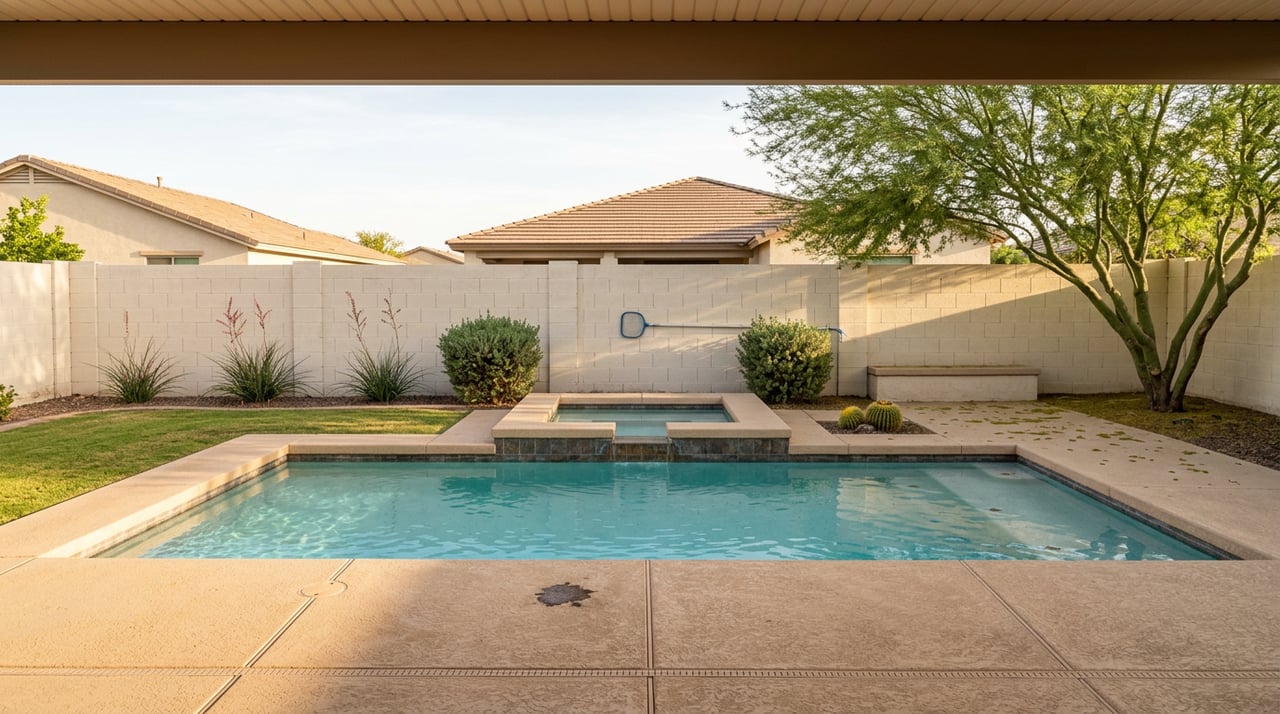
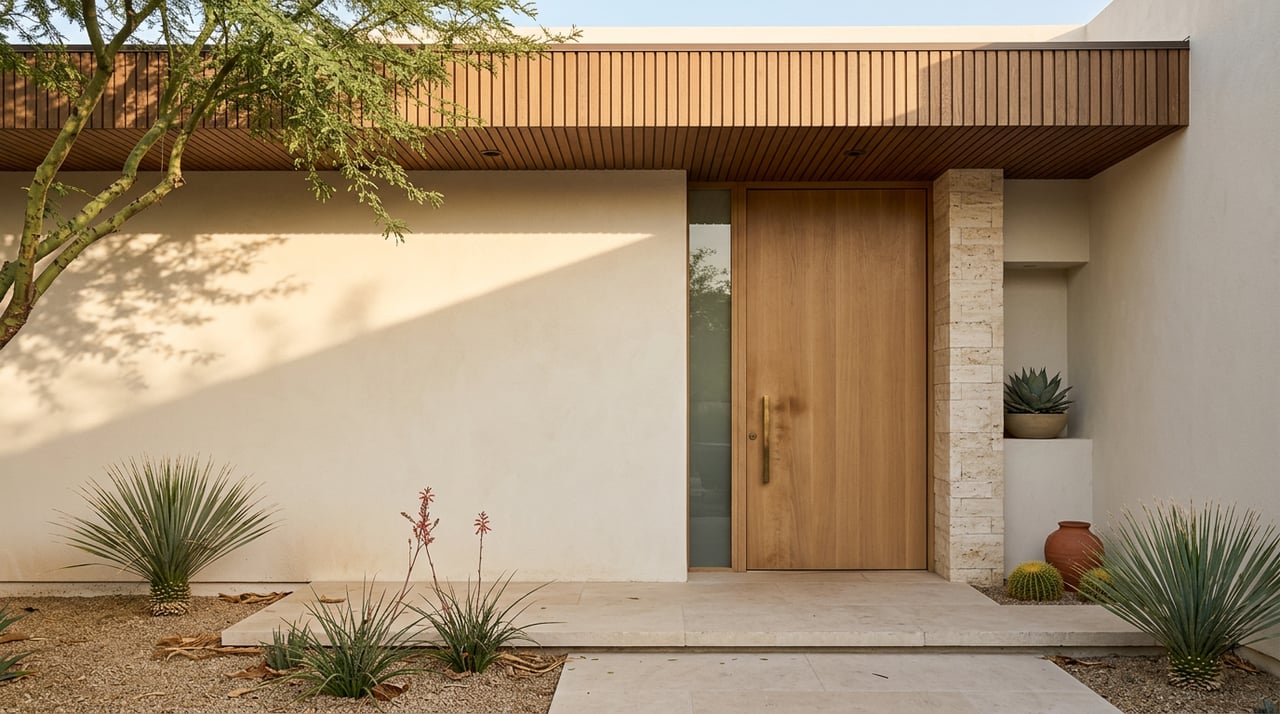
Cave Creek’s housing stock reflects the town’s land use priorities. Many residential areas are in Desert Rural zones, and the town notes that owners with at least two contiguous acres can keep horses or livestock in those areas.
The town’s zoning guidance also defines casitas and guest houses as accessory living quarters, with one accessory living quarter allowed per lot. Together, those rules support the kind of housing many buyers associate with Cave Creek: detached homes, larger lots, horse properties, and homes with guest quarters or flexible extra space.
Best Fit For Certain Buyers
Cave Creek can be a strong fit if you want:
- More privacy and lower-density surroundings
- A detached home on a larger lot
- Horse-friendly property potential in the right zoning areas
- Space for a guest house or casita-style living quarter
- A lifestyle built around trails, desert views, and a western town core
This setting often appeals to buyers who value land, quiet, and character over a more uniform suburban feel. It can also appeal to second-home or relocation buyers who want a distinctive North Valley experience with a strong sense of place.
A Snapshot Of Local Housing Costs
Census data helps frame the market at a high level. The median owner-occupied home value is $906,100, median monthly owner cost with a mortgage is $2,625, and median gross rent is $2,493.
Those numbers do not tell the whole story of individual properties, but they do reinforce that Cave Creek is a largely owner-heavy market with relatively high home values and a lifestyle-oriented housing profile.
What Desert Living Requires
The appeal of Cave Creek comes with practical differences that buyers should understand early. The town’s notice to prospective property owners points out that sewer service is not available everywhere, water rates may be higher than in other areas, trash pickup is private rather than municipal, and roads are often rural with low speed limits.
The same notice also says roads can become impassable during extreme weather. That is an important reminder that Cave Creek offers a more rural desert environment, and with that comes a different set of day-to-day expectations than you might have in a more built-out part of Greater Phoenix.
Fire And Property Readiness
The town’s Residential Services information says emergency fire and medical protection is provided through an agreement with Daisy Mountain Fire Department. The town also offers free defensible-space evaluations to help reduce wildfire risk.
If you are considering a home here, it is smart to look beyond finishes and floor plans. You should also pay attention to access, lot maintenance, vegetation management, utility setup, and the broader realities of owning property in a desert environment.
Who Usually Loves Cave Creek
Cave Creek is not trying to be everything to everyone, and that is part of its appeal. It tends to resonate most with buyers who want a scenic, trail-oriented town with a western identity and lower-density residential character.
You may feel especially drawn to Cave Creek if you want a home that supports outdoor living, more separation from neighbors, and a town center with personality. If that sounds like your style, Cave Creek can offer a lifestyle that stands apart from more conventional suburban options nearby.
Final Thoughts On Cave Creek Living
Cave Creek offers a mix that is hard to duplicate in the Valley: open desert, connected trail systems, a compact western-style town core, and housing that often prioritizes land, privacy, and flexibility. It is a place where lifestyle and property type are closely connected, which makes neighborhood-level guidance especially important when you start comparing homes.
If you are thinking about buying or selling in Cave Creek, working with a local team that understands the differences between desert communities can make the process much smoother. When you are ready for tailored guidance, connect with Alex LeBouton for a calm, informed conversation about your next move.
FAQs
What is Cave Creek, Arizona known for?
- Cave Creek is known for its western identity, open desert setting, non-motorized trail network, compact town core, and a lifestyle built around outdoor recreation, dining, shops, and scenic low-density living.
What kinds of homes are common in Cave Creek?
- Cave Creek is often associated with detached homes, larger lots, horse-friendly properties in certain Desert Rural areas, and homes that may include a casita or guest house as an accessory living quarter.
What outdoor recreation is available near Cave Creek?
- Buyers and residents have access to local non-motorized trails, Cave Creek Regional Park, Spur Cross Ranch Conservation Area, and connections to the Maricopa Trail system.
What should buyers know about owning a home in Cave Creek?
- Buyers should be aware that some properties may have rural infrastructure considerations, including private trash service, variable sewer availability, potentially higher water costs, rural roads, and the need for wildfire-aware property maintenance.
Is Cave Creek more rural than other Phoenix-area communities?
- Yes. The town’s planning vision emphasizes open space, quiet conditions, dark skies, western heritage, and low-density residential development, which gives it a more rural desert-town feel than many denser Valley communities.