Phoenix is not just urban or suburban. It is both, often within a short drive of each other. If you are trying to figure out where you fit, the real challenge is not choosing the "right" label. It is understanding how different parts of Phoenix actually live day to day. This guide will help you compare walkability, housing types, transit access, and lifestyle tradeoffs so you can narrow in on the best fit for your goals. Let’s dive in.
Why Phoenix Feels So Different Block to Block
Phoenix works as a patchwork of distinct living environments, not one uniform housing market. The city is divided into 15 urban villages, and its planning approach encourages more compact, mixed-use development near high-capacity transit in some areas.
That matters because your daily routine can change a lot depending on where you buy. In one part of the city, you may be able to walk to restaurants and hop on light rail within minutes. In another, you may have more space, a garage, and easier freeway access, but rely more heavily on your car.
Citywide, Phoenix still leans suburban in its housing mix. The city’s 2025-2029 Consolidated Plan reports that 59.9% of housing is 1-unit detached, and Census QuickFacts shows a 57.3% owner-occupied housing rate and a 25.6-minute mean travel time to work. Walk Score rates Phoenix at 41 overall, which reinforces that the city baseline remains fairly car-oriented.
Urban Phoenix: Best for a Walk-First Lifestyle
If you want to live close to transit, dining, entertainment, and cultural venues, central Phoenix will likely stand out. These are the areas where the city’s urban planning vision is most visible in everyday life.
Downtown Phoenix Living
Downtown Phoenix is the clearest urban choice in the city. The City of Phoenix describes Central City as downtown, the city’s urban center, a transportation hub, and a cultural, recreational, and convention center.
From a lifestyle standpoint, downtown offers the strongest concentration of walkable activity. Visit Phoenix describes the area as home to live music, pro sports, rooftop lounges, museums, theaters, art galleries, and more than 200 restaurants. Roosevelt Row adds another draw with galleries, boutiques, restaurants, bars, and recurring First Friday activity.
Walkability is where downtown really separates itself. Walk Score gives Downtown Phoenix a 97 Walk Score, with rail just a one-minute walk away in some locations. For buyers who want a more car-light routine, this is one of the strongest matches in the Valley.
Midtown and Central Corridors
Midtown offers an urban feel too, but often with a slightly calmer pace than the downtown core. It still aligns closely with Phoenix’s transit-oriented growth and walkable redevelopment pattern.
A Midtown-area Walk Score page shows a 78 Walk Score and a two-minute walk to the Thomas/Central rail stop. That kind of access can make a real difference if you value convenience and want options beyond driving for every errand.
What Homes Look Like in Urban Areas
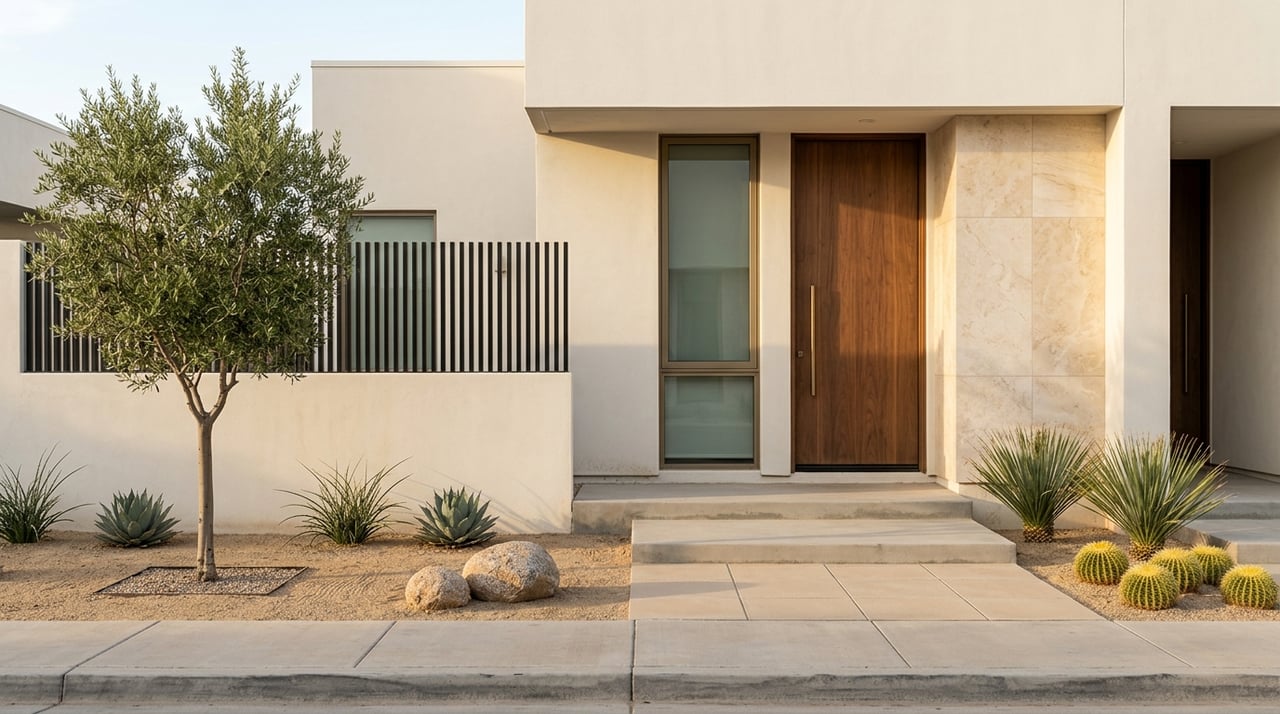
In the urban core, buyers are more likely to find condos, apartments, loft-style homes, and attached properties. There are also some historic single-family homes in older central neighborhoods.
For many buyers, this comes down to a tradeoff. You may give up lot size and privacy compared with outer neighborhoods, but gain stronger access to transit, dining, and lower-maintenance living.
Suburban Phoenix: Best for Space and Flexibility
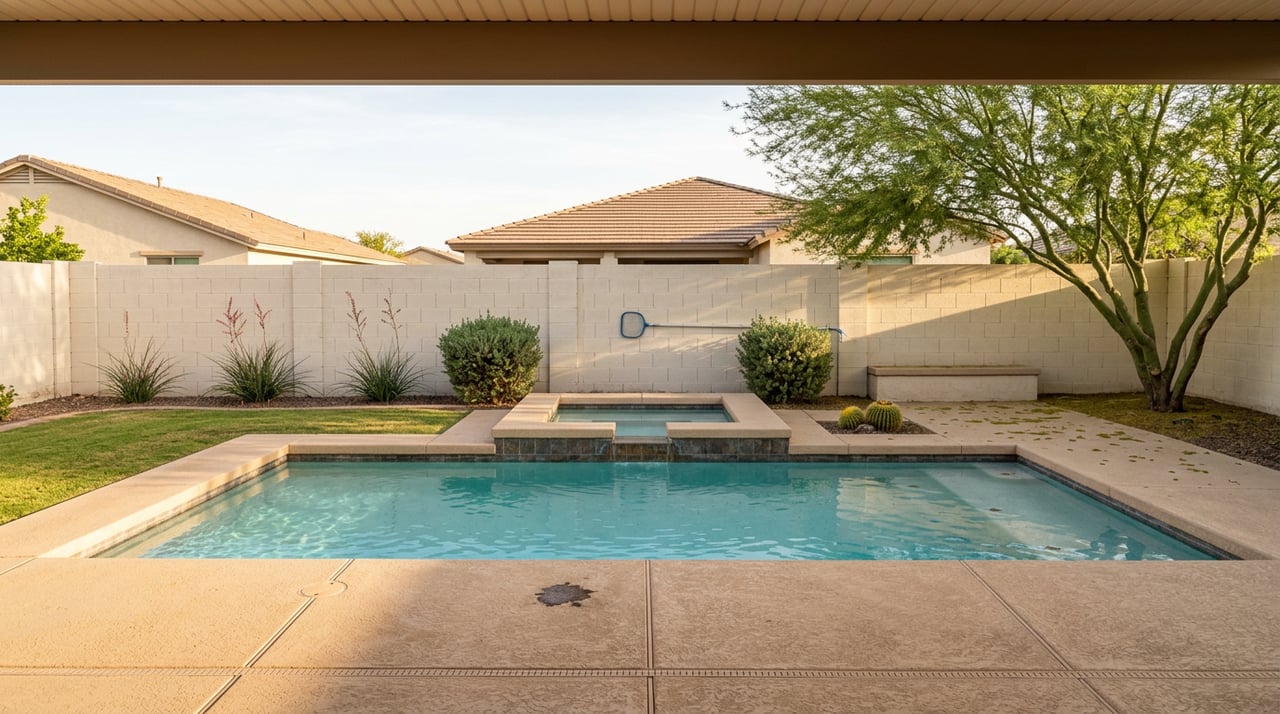
If your priorities include more square footage, a yard, a garage, or easier freeway access, much of Phoenix inside city limits will feel more suburban. These areas often offer a different rhythm of life, even though they are still part of the same city.
Arcadia and Camelback East
Arcadia and the broader Camelback East area are classic in-between choices. They can offer a more residential feel while still keeping you relatively close to central Phoenix amenities.
The City of Phoenix says Camelback East includes a wide range of housing types, with much of the housing stock built between 1950 and 1970. Visit Phoenix describes Arcadia as leafy, historic, and known for mid-century ranch homes and strong local dining.
Still, buyers should not assume it is uniformly walkable. A representative Arcadia address scores 30 on Walk Score, which shows how much conditions can vary block by block.
Alhambra
Alhambra is another useful middle-ground option for buyers who want established neighborhoods with a more residential setting. The City describes it as a postwar village characterized by small ranch-style homes, with larger historic homes along the Murphy Bridle Path and established retail anchors such as Windsor Square and Uptown Plaza.
For buyers who want character without the intensity of downtown living, Alhambra can be worth a closer look. Like many Phoenix areas, though, the feel can vary depending on your exact location.
Biltmore
Biltmore is often better understood as a lifestyle district than a truly pedestrian district. It is known for destination shopping, dining, and resorts.
That does not always translate into a walk-first routine. A Biltmore-area Walk Score page shows a score of 19, which suggests that most errands still require a car even with strong nearby amenities.
Ahwatukee Foothills and South Mountain
For a stronger suburban feel inside Phoenix city limits, Ahwatukee Foothills and South Mountain stand out. These areas tend to appeal to buyers who want lower-density neighborhoods and a more traditional single-family-home experience.
Ahwatukee is described as quiet, master-planned, low-rise, and dominated by single-family neighborhoods with easy I-10 access. A sample Ahwatukee address scores 43 on Walk Score and shows limited transit, which fits the area’s car-first pattern.
South Mountain offers more variety. The City says it mixes urban living, large-lot horse properties, and historic, luxury, and custom homes. That range can appeal if you want more land or a less uniform housing stock.
North Phoenix Options
North Phoenix villages such as Deer Valley and Desert View add another layer to the suburban side of the market. These areas can be practical for buyers who want housing variety and proximity to major road networks.
Deer Valley is characterized by a desert setting, large employment centers, housing variety, and active single-family home construction. Desert View ranges from higher density near Loop 101 and Desert Ridge to lower-density and rural land uses.
Desert Ridge itself scores 22 on Walk Score with a 16 Transit Score. That is a strong sign that daily life in this part of Phoenix will usually be car-dependent.
Transit Is Improving in Key Corridors
Transit matters more in Phoenix than many buyers first expect, especially if you are comparing urban and suburban tradeoffs. Valley Metro’s South Central Extension/Downtown Hub opened in June 2025 and extended light rail 5.5 miles south to Baseline Road.
The expansion created a two-line rail system and strengthened transit access in central and south Phoenix corridors. If you are trying to reduce drive time, simplify commuting, or prioritize access to central destinations, that improvement is important to factor into your search.
How to Choose the Right Fit
Phoenix is best understood as a spectrum, not a simple urban-versus-suburban split. Some areas with strong lifestyle branding still function in a car-oriented way, while parts of central Phoenix can support a genuinely walk-light routine.
A simple way to narrow your search is to start with how you want your week to feel.
You may prefer urban Phoenix if you want:
- Walkable access to restaurants, arts, and entertainment
- Easier access to light rail
- A condo, loft, townhome, or lower-maintenance home
- A more active, central lifestyle
You may prefer suburban Phoenix if you want:
- More interior space
- A garage or yard
- Easier freeway access
- A single-family home as your default option
Keep block-level nuance in mind
In Phoenix, exact location matters. Arcadia and Biltmore can feel more car-oriented than their reputation suggests, while Downtown and Midtown can offer stronger day-to-day walkability than many buyers expect.
That is why broad labels only get you so far. The better approach is to compare neighborhoods, housing types, and even specific blocks against the lifestyle you want most.
The Bottom Line for Today’s Buyers
Phoenix gives you real variety, which is one of its biggest strengths. You can find vibrant urban living near transit, established residential neighborhoods closer in, or suburban-style communities with more room to spread out, all within the same city.
The key is matching the home to the life you actually want to live. If you want help sorting through Phoenix’s many micro-markets and comparing which areas fit your goals, Alex LeBouton can help you navigate the options with calm, local guidance.
FAQs
What is the most walkable part of Phoenix for homebuyers?
- Downtown Phoenix is the strongest walkable option in the city, with a Walk Score of 97 and very close rail access in some locations.
Is Phoenix mostly urban or suburban for buyers?
- Phoenix is mostly suburban in its overall housing pattern, with 59.9% 1-unit detached homes citywide, but central areas offer a more urban lifestyle.
Which Phoenix areas feel more suburban inside city limits?
- Arcadia, Camelback East, Alhambra, Biltmore, Ahwatukee Foothills, South Mountain, Deer Valley, and Desert View are among the areas that tend to feel more suburban or car-oriented.
Are there good transit-oriented neighborhoods in Phoenix for buyers?
- Yes. Downtown, Midtown, and other central corridors offer the strongest transit access, and the 2025 South Central Extension expanded light rail service further into south Phoenix.
What home types are more common in urban Phoenix neighborhoods?
- In urban Phoenix, you are more likely to find condos, loft-style homes, attached properties, and some historic single-family homes in older neighborhoods.